
A busy month for Deep Sky Section; 7 members sent in their drawings and images, 28 observations in total.
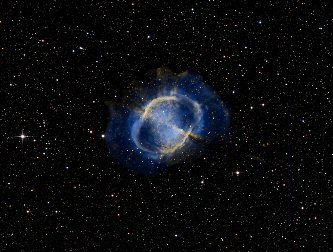
David Davies, using an ED 120 refractor and a QSI 583 camera plus a Lodestar off axis guider to capture deep images of M27, the “dumbbell” planetary nebula in Vulpecula and NGC 7023 in Cepheus; the “Iris” reflection nebula, near to T Cephei, (a Mira-type variable star).

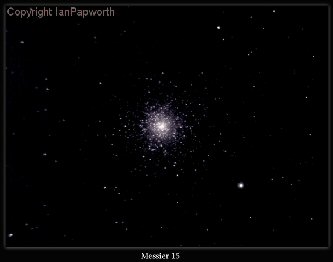
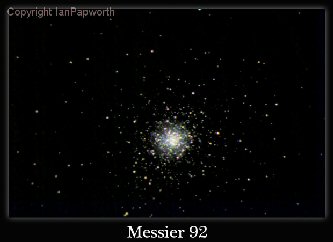
Ian Papworth sent in 10 images this month, taken via a Celestron Nexstar 6SE f6.3 Schmidt-Cassegrain telescope and a ZWO ASI 120MM camera. The first four are globular clusters; M2 (Aquarius), M15 (Pegasus), M92 (Hercules) and M56 (Lyra).


Ian also imaged the double star Albireo, (Beta Cygni), and other double stars Zeta Lyrae, 61 Cygni, 17 Cygni, Epsilon Lyrae and Gamma Andromedae.


Michael Kinns, using a 200mm f6 Newtonian telescope, observed and drew open clusters NGC 6755 and NGC 6756, both in the constellation of Aquila.


Michael also drew globular clusters NGC 6934 and M92.

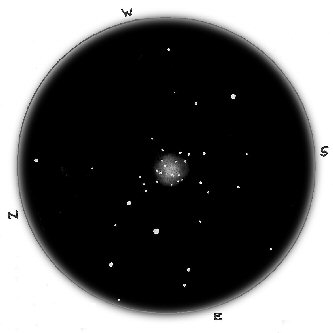
Peter Clark drew globular cluster M5 (Serpens Caput) using his 8″ f6 Newtonian telescope plus various eyepieces to give magnifications of 150x, 299x, and 360x.
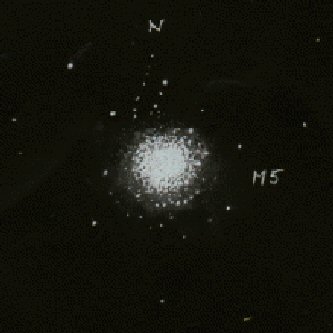
M5
Graham Taylor, using the Bradford Remote Telescope, (a Celestron C14 f11 SCT on the island of Teneriffe), imaged two galaxies; M31 in the constellation of Andromeda and NGC 7331 in Pegasus; and two planetary nebulae, M27 (Vulpecula) and M57 (the Ring nebula, Lyra):
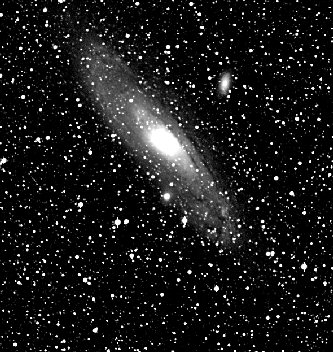
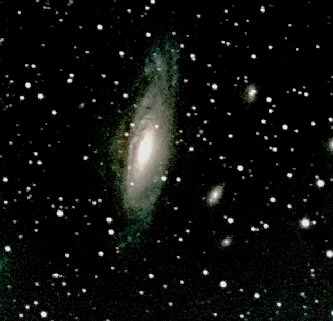
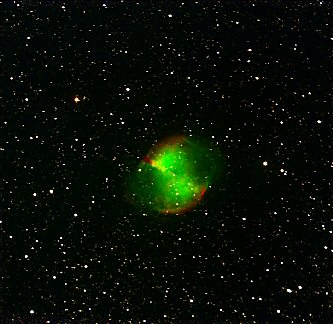

Steve Norrie sent in two images of emission nebulae: NGC 7538 in the constellation of Cepheus, and NGC 7635, the “bubble” nebula in Cassiopeia; the open cluster M52 also features in this image. Steve observes with an EDR80 refractor and an astro-modified Canon 600DDSLR.


Mike Wood made two sketches using a Celestron C9.25 Schmidt Cassegrain telescope; Altair and its surrounding starfield (Aquila), and AC Andromedae, an RR Lyrae type star.


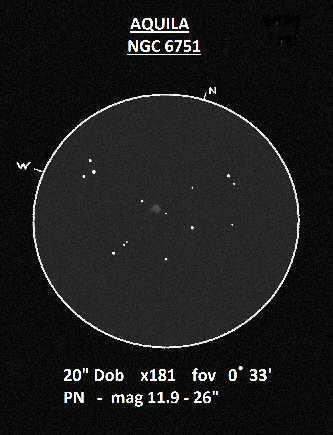
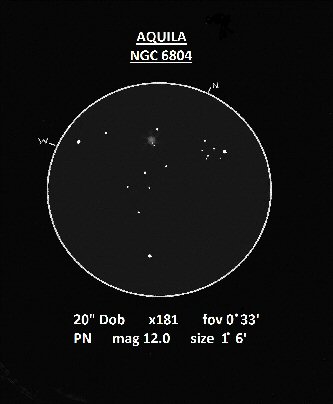
Mike also used a 20″ Dobsonian reflector to observe and sketch three planetary nebulae in Aquila, NGC 6751, NGC 6781 and NGC 6804.

Dave Finnigan