
This month I received thirty four observations from five members (one new to deep sky section); three sketches and thirty one images in total. This number would have been much lower had new member Paul Crossland not included images he made earlier in 2016 – generally clear skies were the exception for all parts of the UK in January.
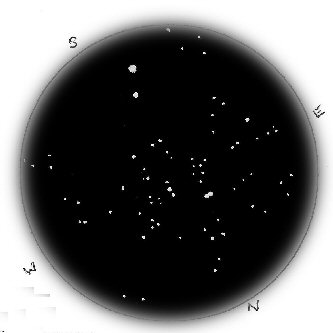
Michael Kinns, observing from Eastry, made sketches of two open clusters, NGC 1893 in the constellation of Auriga and NGC 1647 in Taurus; using a 200mm f6 Orion Optics (UK) Newtonian reflector at 100x and 67 x. NGC 1647 is about 150 million years old, about 1,800 light years from the Earth and can be found near Aldebaran, alpha Tauri, which is much nearer to us at 65 light years.

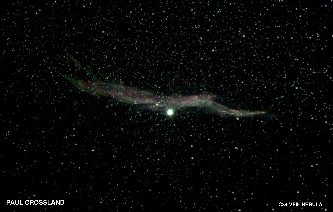
Paul Crossland, observing from Liverpool, sent in a total of eighteen images. He use a Skywatcher ED80 refractor and Canon 450D DSLR. The first four are NGC 7635, the Bubble emission nebula in the constellation of Cassiopeia and then the same object with a wider field of view; C 34, the western part of the Veil supernova remnant in Cygnus, and NGC 1499 the California emission nebula in Perseus.



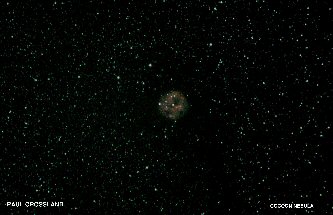
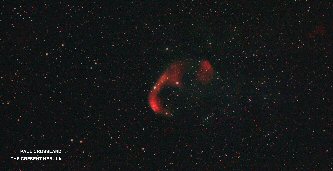
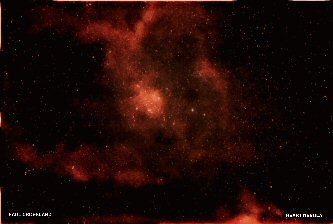
The next four images are IC 5146 the Cocoon emission nebula, NGC 6888 the Crescent emission nebula both in Cygnus, IC 1805 the Heart emission nebula in Cassiopeia and M33 spiral galaxy in Triangulum.

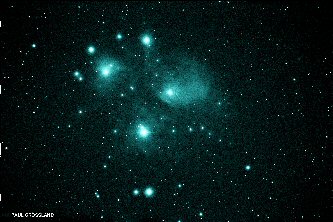
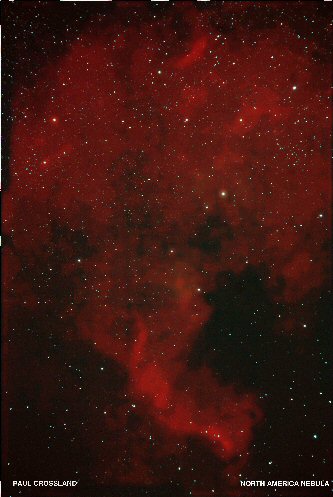
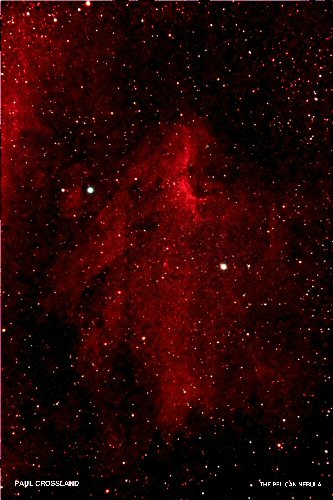
Paul also imaged M45, the well known open Pleiades open cluster in the constellation of Taurus, M51 the Whirlpool galaxy in Canes Venatici, NGC 7000 the North America emission nebula in Cygnus, and IC 5067/IC 5070 the Pelican emission nebula also in Cygnus. These last two emission nebulae are associated with each other, separated by dark lanes of dust and molecular gas.

Here are another four images all contain emission nebulae: NGC 281 the Pacman nebula in the constellation of Cassiopeia, NGC 6910 the Rocking horse nebula in Cygnus, IC 1318 plus the star Sadr (gamma Cygni) and Sharpless 2-199, the Soul nebula in Cassiopeia.
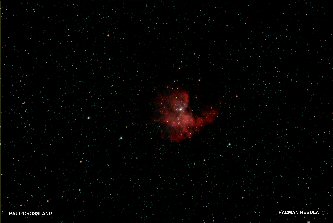
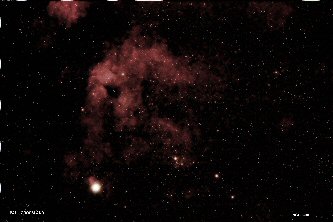
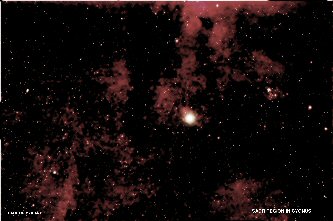

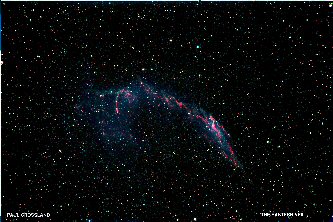
Pauls final two images are NGC 6992, part of the “veil” supernova remnant in Cygnus and NGC 7380, the Wizard open cluster and nebulosity in Cepheus.
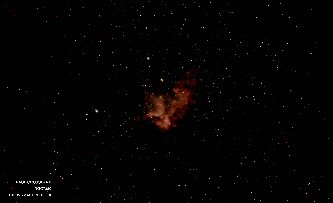
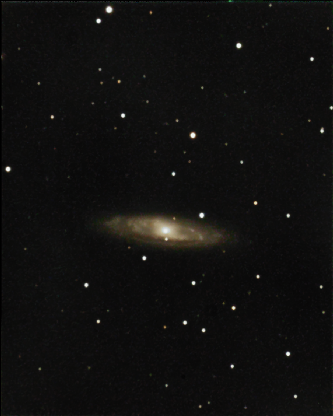
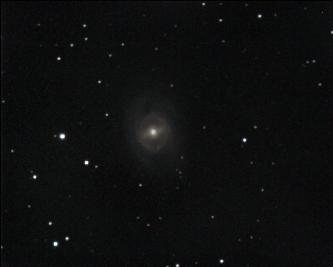
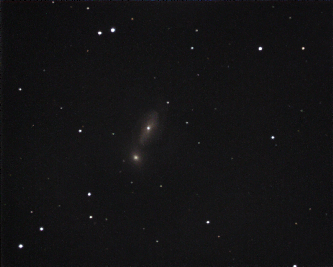
Mark Beveridge submitted six deep sky images to the section, taken with a 140mm Maksutov-Cassegrain telescope and a SXR – H814 camera plus colour filters. Here are four images of galaxies in the constellation of Leo: M65, M95, NGC 2903 and NGC 3226/7, also known as Arp 94; a pair of interacting galaxies, one spiral one eliptical, about 50 million light years from the Earth.

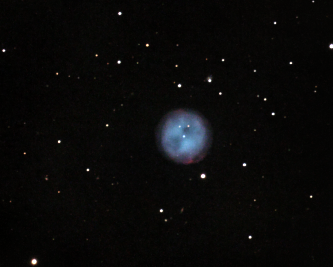
Mark’s final two images are: M78, a reflection nebula in the constellation of Leo and M97, the Owl planetary nebula in Ursa Major.
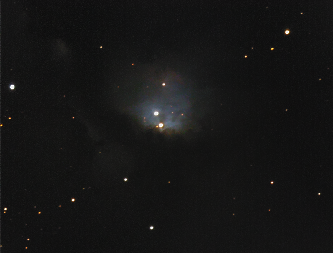
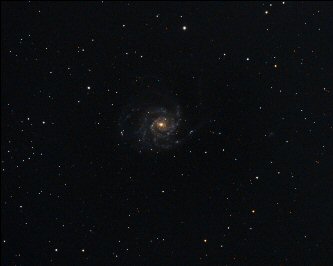
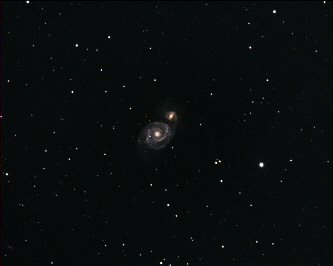
Steve Norrie sent in seven images. Steve employed an ES127mm APO f5 refractor and an Atik 920EX camera, and the first four images are M101 the Pinwheel spiral galaxy in the constellation of Ursa Major, M1 the Crab supernova remnant in Taurus, M51 the Whirlpool spiral galaxy in Canes Venatici and NGC 7023 the Iris reflection nebula in Cepheus; a cloud of dust and gas being lit by a magnitude 7 star SAO 19158.

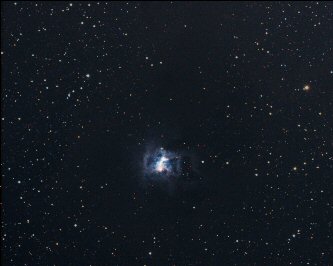
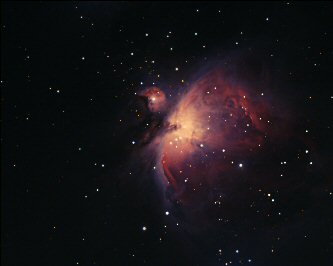
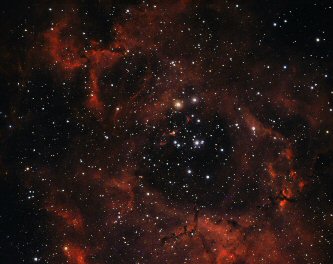
Steve’s three remaining images are: M42 emission nebula in the constellation of Orion, NGC 2244 the Rosette emission nebula and open cluster in Monoceros and IC 434, the Horsehead emission/dark nebula in Orion.

Eddie Carpenter made this drawing of NGC 2017 in the constellation of Lupus. Once thought to be an open cluster, it is now described as an asterism, a chance line of sight grouping of stars. Eddie numbered the stars in order of brightness, 1 being the brightestand 6 the faintest. He used an 8.5 inch diameter Newtonian reflector at 60x and 100x.

Dave Finnigan